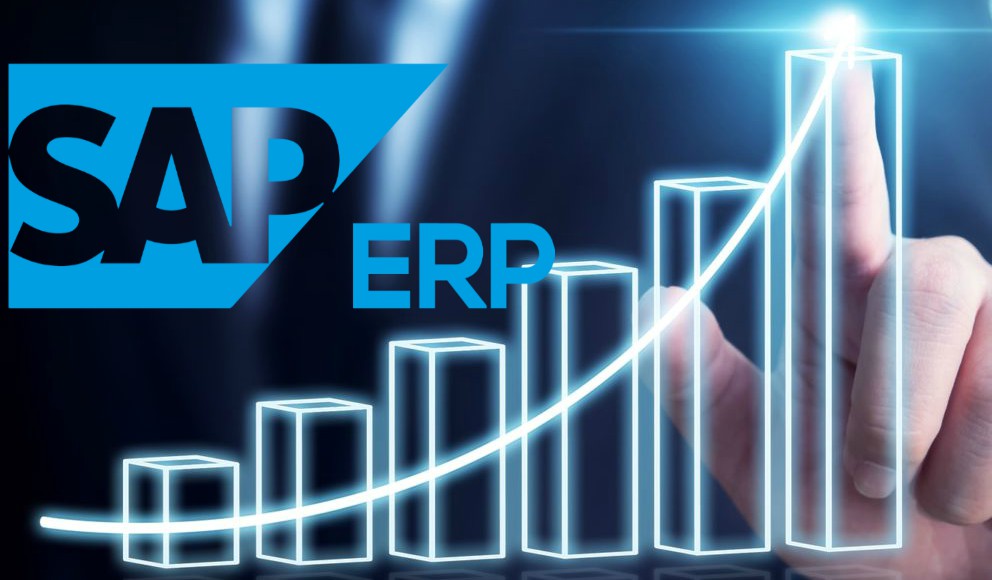
SAP is a German-based software company that develops enterprise-level business solutions, while ERP (Enterprise Resource Planning) is an application designed to manage and integrate core business processes. ERP software helps organisations manage finance, sales, human resources, supply chain, and operations through a single, centralised system.
SAP provides powerful ERP solutions that act as a unified platform for all departments, ensuring smooth data flow and real-time visibility. By combining SAP’s technology with ERP functionality, businesses can eliminate data silos, improve efficiency, and make faster, data-driven decisions.
MegatechVerse, a trusted technology and ERP solutions provider, helps businesses embrace digital transformation with powerful and scalable enterprise solutions. With expertise in SAP Business One ERP, MegatechVerse empowers small and mid-sized enterprises to gain complete control over finance, operations, supply chain, sales, and customer management—all from a single, unified platform.
This blog explains what SAP is, what ERP means, how they differ, and why SAP Business One from MegatechVerse can be the right choice for your business.
What is SAP
SAP (Systems, Applications, and Products in Data Processing) is a leading German software company best known for its Enterprise Resource Planning (ERP) solutions. SAP ERP software enables organisations to manage essential day-to-day business operations, including finance, human resources, sales, procurement, and supply chain management, through a single, integrated platform. By centralising all business data, SAP provides real-time insights, eliminates data silos, and significantly improves operational efficiency.
SAP can be understood as a central “master notebook” for a business, where every department records and accesses information from one unified system. This seamless flow of data across departments makes SAP the digital backbone of many large and global enterprises.
Application of SAP Software
- Connects All Departments: SAP brings different business departments like finance, HR, sales, production, and inventory together on one platform, so everyone works with the same information in real time.
- Simplifies Daily Business Work: It helps manage everyday tasks such as accounting, purchasing, stock management, production planning, and customer data in an organised and automated way.
- Keeps All Data in One Place: SAP stores all business information in a single system, reducing manual work, avoiding duplicate entries, and ensuring data accuracy.
- Improves Work Efficiency: By automating routine processes and standardising workflows, SAP saves time, reduces costs, and helps teams work more efficiently.
- Supports Better Decision-Making: With real-time data and reports, SAP helps business owners and managers make faster and smarter decisions.
Key Advantage of SAP
- Global Software Company: SAP is a well-known German software company that provides business management solutions to organisations worldwide.
- Complete ERP Solutions: SAP offers powerful ERP systems that help businesses manage finance, sales, inventory, production, supply chain, and human resources from one platform.
- Centralised Data System: All business information is stored in one central system, ensuring data accuracy, transparency, and easy access across departments.
- Modular and Flexible: SAP software is modular, which means businesses can choose only the features they need and add more as they grow.
- Real-Time Insights: SAP provides real-time reports and dashboards that help business owners and managers make quick and informed decisions.
- Scalable for Business Growth: SAP solutions grow along with your business, making them suitable for small, mid-sized, and large organisations.
- Secure and Reliable: SAP follows high security and compliance standards, ensuring business data remains safe and protected.
Categories of Businesses SAP Works With
SAP provides software solutions for businesses of all sizes and industries. Its products are designed to support different types of organisations based on their scale and operational needs.
- Small Businesses: SAP offers solutions like SAP Business One for small businesses that want to manage accounting, sales, inventory, and customer data from one system. It helps growing companies streamline operations and prepare for future expansion.
- Mid-Sized Businesses: For mid-sized companies, SAP provides scalable ERP solutions that support finance, supply chain, manufacturing, HR, and reporting. These solutions help improve efficiency, control costs, and manage increasing business complexity.
- Large Enterprises: SAP is widely used by large and global enterprises. Its advanced ERP solutions support complex operations, high transaction volumes, multi-location management, and global compliance requirements.
What Is ERP?
ERP (Enterprise Resource Planning) is a comprehensive business management software that helps organisations run their core operations smoothly through one centralized system. Instead of using different software for finance, sales, inventory, HR, and production, ERP brings all these functions together on a single platform. This integration ensures that all departments work with the same data in real time, improving accuracy, efficiency, and coordination across the organisation.
In traditional business setups, departments often rely on separate tools and spreadsheets. This leads to data duplication, manual errors, and delays in decision-making. ERP solves this problem by creating a single source of truth, where every business activity is recorded and updated in one system. Whether it is a sales order, inventory update, or financial transaction, the information is instantly available to all relevant teams.
Key Functions of ERP
- Finance and Accounting: ERP systems manage all financial activities, including general ledger, accounts payable and receivable, budgeting, taxation, and financial reporting. This helps businesses maintain accurate financial records, ensure compliance, and gain better control over cash flow.
- Inventory and Supply Chain Management: ERP tracks inventory levels in real time, manages procurement, monitors suppliers, and supports warehouse and logistics operations. This helps reduce stock shortages, avoid overstocking, and improve supply chain efficiency.
- Sales and Customer Relationship Management (CRM): ERP systems support the entire sales process—from lead management and order processing to invoicing and customer support. Integrated CRM features help businesses build stronger customer relationships and improve service quality.
- Human Resources (HR): ERP manages employee records, payroll, attendance, recruitment, and performance tracking. By automating HR processes, businesses can reduce administrative workload and improve workforce management.
- Production and Operations: For manufacturing and operations-based businesses, ERP supports production planning, material requirements, scheduling, and quality control. This ensures smooth operations and better use of resources.
Benefits of ERP
- Centralised and Real-Time Data: ERP provides a unified database where all business data is stored and updated in real time. This eliminates data duplication and ensures accuracy across departments.
- Improved Productivity and Efficiency: By automating routine tasks and streamlining workflows, ERP reduces manual effort and saves time. Employees can focus more on strategic work instead of repetitive administrative tasks.
- Better Decision-Making: ERP systems offer real-time reports and analytics, helping managers make informed decisions based on accurate and up-to-date information.
- Reduced Operational Costs: Improved process efficiency, reduced errors, and better resource planning help businesses lower operational costs and improve profitability.
- Enhanced Collaboration: Since all departments work on a single platform, communication and coordination between teams improve significantly. This leads to smoother workflows and faster issue resolution.
Key Difference Between SAP and ERP
ERP (Enterprise Resource Planning) is a category of business management software designed to integrate and manage an organisation’s core processes through a single, centralised system. It helps businesses handle functions such as finance and accounting, sales, inventory, supply chain, human resources, and operations in an organised and efficient manner. ERP is not a single product or brand; rather, it is a concept offered by many software vendors to improve operational efficiency, data accuracy, and decision-making across departments.
SAP (Systems, Applications, and Products in Data Processing) is a German-based software company and one of the world’s leading providers of ERP solutions. SAP develops and delivers ERP software that enables businesses to implement the ERP concept effectively. While ERP defines what the system does, SAP provides the tools and technology to make it work. In simple terms, ERP is the business management system a company needs, and SAP is a trusted platform that offers ERP software to support that need.
Conclusion
In a competitive business environment, having an integrated system to manage operations is essential for growth and efficiency. ERP provides businesses with a centralised platform to streamline finance, sales, inventory, HR, production, and other core processes, ensuring accuracy, collaboration, and real-time insights. SAP, as a leading provider of ERP solutions, delivers powerful software like SAP Business One that helps organisations implement these systems effectively.
By combining ERP functionality with SAP’s technology, businesses of all sizes—from small enterprises to large global corporations—can improve productivity, reduce operational costs, eliminate data silos, and make faster, data-driven decisions. Partnering with a trusted solutions provider like MegatechVerse ensures smooth implementation, ongoing support, and scalable solutions that grow alongside your business, making SAP ERP an invaluable tool for sustainable growth and digital transformation.